조국 “탄핵 없이 尹 임기 단축 방안 있어..총선 200석 압승하면 돼”
Read More
1 min read
세상에 알아야되는 NEWS
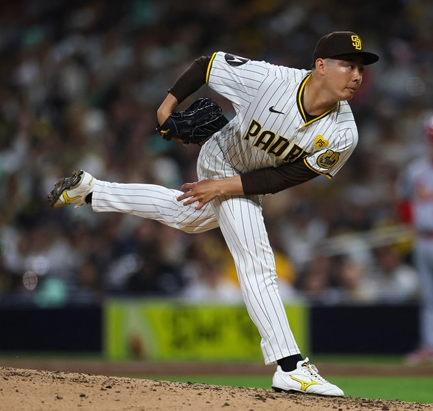
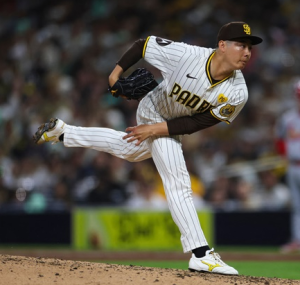
‘고우석 경쟁자’ 마쓰이 유키(29·샌디에이고 파드리스)의 메이저리그(MLB) 적응 속도가 무섭다. 본인마저 “매일 TV에 나온다”고 할 정도로 자주 등판하지만 무너지지 않는다. 마쓰이는 13일(한국시간) 미국 캘리포니아주 로스앤젤레스의 다저 스타디움에서 열린 LA 다저스와 2024 메이저리그 원정경기에서 7-7 동점이던 7회 말 팀의 3번째 투수로 마운드에 올랐다. 첫 타자 무키 베츠를 상대한 마쓰이는 볼카운트 2-2에서 5구 만에 바깥쪽 스플리터로 헛스윙 삼진을 […]
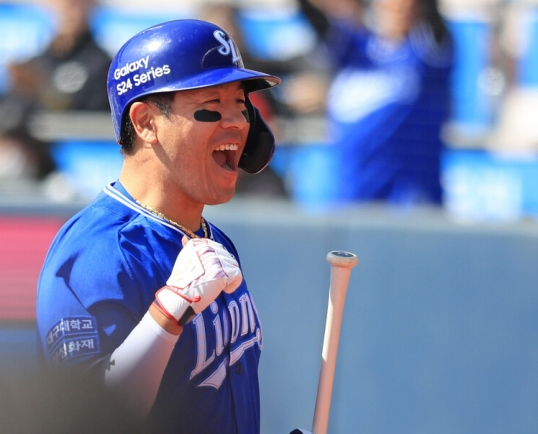
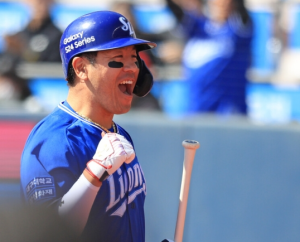
강민호는 28일 잠실구장에서 열린 ‘2024 KBO리그’ LG 트윈스전에 5번 타자 포수로 선발 출전한다. 개인통산 2238번째 경기에 출전한 강민호. 박용택 해설위원이 보유하고 있던 ‘KBO리그 통산 최다 경기 출장 기록’ 경신을 눈앞에 두고 있다. 5회까지 경기가 진행된다면, 강민호는 KBO리그 역사의 주인공이 된다. 강민호가 체력 소모가 극심한 포수라는 점을 고려하면, 더 의미가 크게 다가온다. 강민호는 포철공고를 졸업하고 2004년 […]

더불어민주당 4·10 총선 서울 강북을 전략경선에서 조수진 변호사가 비명계 박용진(사진) 의원을 누르고 공천을 받았다. 박범계 민주당 선거관리위원장은 19일 개표 결과를 발표하며 “공개할 수 없지만 상당한 정도의 득표 차가 있었다”고 밝혔다. 박 의원으로선 친명계 정봉주 전 의원과의 맞대결에서 고배를 마신 데 이은 두 번째 경선 패배였다. 박 의원은 경선 탈락 직후 입장문을 통해 “반전이 없는 결과를 […]
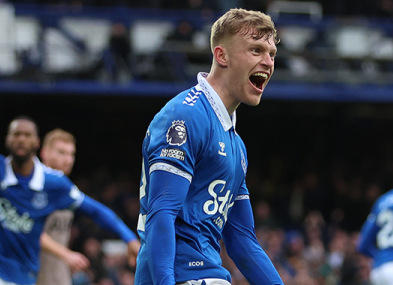
토트넘 훗스퍼가 더 이상 선수 영입에 돈을 아끼지 않겠다는 입장이다. 영국 매체 ‘풋볼 인사이더’는 16일(한국시간) “토트넘은 올여름 맨체스터 유나이티드(맨유)의 타깃으로 알려진 재러드 브랜스웨이트(21, 에버턴) 영입에 도전할 것이다”라고 보도했다. 토트넘은 올시즌 준수한 성적을 거두고 있다. 프리미어리그에서 24경기를 치른 현재 14승 5무 5패로 승점 47점을 획득하면서 4위를 달리는 중이다. 적절한 선수 영입 덕분이라는 분석이 지배적이다. 토트넘은 지난해 […]
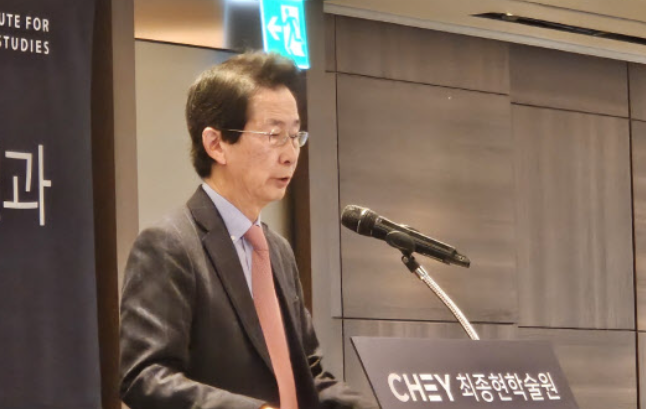
우리 국민 10명 중 9명이 북한의 비핵화가 어렵다는 인식을 공유하고 있는 것으로 여론조사 결과가 나타났다. 최종현학술원은 5일 제2차 ‘북핵 위기와 안보상황 인식’ 여론 조사 결과를 발표했다. 최종현학술원은 여론조사 전문기관인 한국갤럽에 의뢰해 가구를 직접 방문해서 물어보는 일대일 면접조사를 실시했다. 이번 조사에서 ‘북한의 비핵화가 불가능하다’는 인식이 91%로 작년(77.6%)보다 크게 상회했다. 이에 대해 박인국 최종현학술원 원장은 “1년 사이에 […]
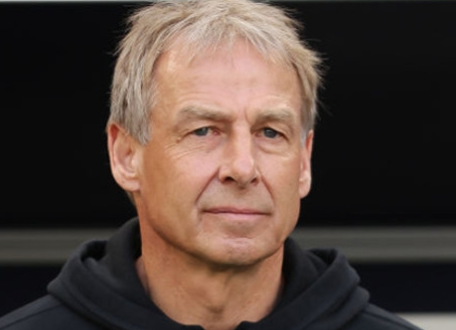
이젠 신뢰보단 실리적으로 바라봐야 할 때다. 위르겐 클린스만 감독이 이끄는 대한민국 축구 국가대표팀(FIFA 랭킹 23위)은 20일 오후 2시 30분(현지시간) 카타르 도하에 위치한 알 투마마 스타디움에서 열린 요르단(FIFA 랭킹 87위)과의 2023 아시아축구연맹(AFC) 카타르 아시안컵 E조 2차전에서 2-2로 비겼다. 이로써 한국은 1승 1무가 됐고 요르단도 1승 1무를 기록했다. 현재 1위는 요르단, 2위는 한국이다. 대한민국은 조현우가 골키퍼로 나선다. […]
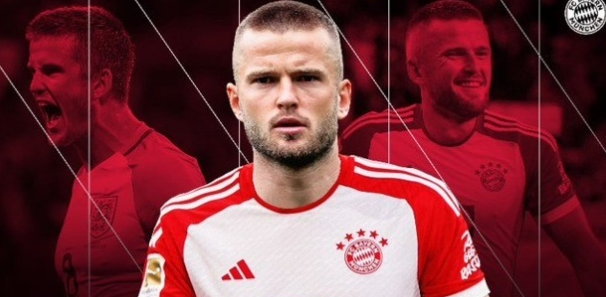
에릭 다이어의 이적에 해리 케인이 관여했을 가능성은 매우 높다. 바이에른 뮌헨은 12일(이하 한국시간) 구단 홈페이지를 통해 “토트넘의 다이어와 2024년 6월 30일까지 1년 연장 옵션이 포함된 임대 계약을 체결했다. 그는 등번호 15번이 새겨진 유니폼을 입게 될 것이다”라고 공식 발표했다. 토트넘에서 방출 명단에 올랐던 다이어는 세계 최고의 구단인 뮌헨으로 이적하자 흥분했다. 그는 “이 이적은 나에게 꿈이 이루어진 […]
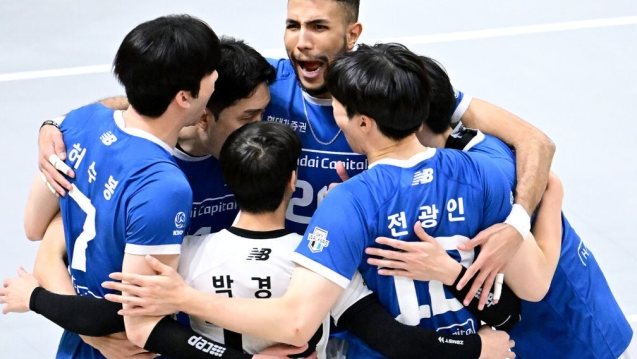
현대캐피탈이 4연승을 질주했다. 진순기 감독대행 체제에서 4전 전승이다. 현대캐피탈은 4일 의정부체육관에서 치러진 도드람 2023~2024 V-리그 남자부 4라운드 경기에서 KB손해보험을 세트 스코어 3-0(25-21, 26-24, 27-25) 셧아웃으로 제압했다. 허수봉과 아흐메드가 나란히 팀 내 최다 21점씩 올리며 쌍포가 터졌다. 2~3세트 모두 듀스 승부에서 허수봉이 마지막 득점을 처리하며 해결사로 나섰다. 전광인도 11점으로 뒷받침했다. 최태웅 전 감독이 물러난 뒤 진순기 […]
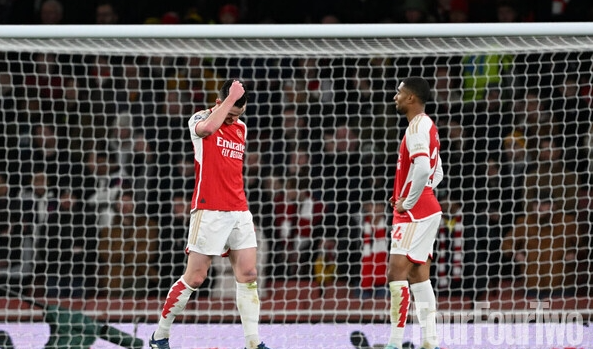
아스널이 선두 탈환에 실패했다. 아스널은 29일 오전 5시 15분(이하 한국시간) 영국 런던에 위치한 에미레이츠 스타디움에서 열린 웨스트햄과의 2023-24시즌 프리미어리그(PL) 19라운드에서 0-2로 패배했다. 이로써 아스널은 2위를 유지했다. 홈팀 아스널은 가브리엘 마르티넬리, 가브레일 제주스, 부카요 사카, 레안드로 트로사르, 데클란 라이스, 마르틴 외데가르드, 올렉산드르 진첸코, 가브리엘 마갈량이스, 윌리엄 살리바, 벤 화이트, 다비드 라야가 선발로 나왔다. 이에 맞선 원정팀 […]
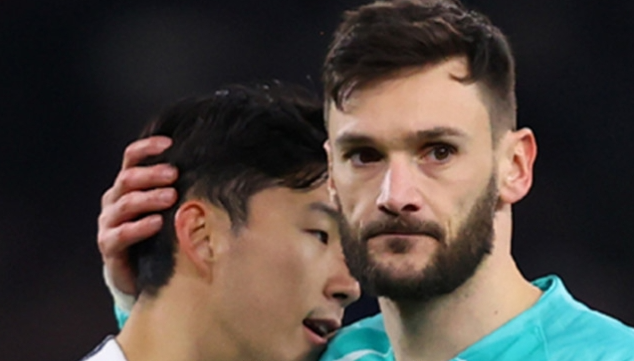
토트넘 훗스퍼에서 공식전 444경기를 뛴 위고 요리스는 토트넘을 떠나기 직전이다. 영국 공영방송 ‘BBC’는 29일(한국시간) “토트넘 골키퍼 요리스는 북런던 11년 생활을 마치고 메이저리그 사커(MLS)의 LA FC로 이적하기 위한 협상을 벌이고 있다. 지난여름에 요리스는 토트넘을 떠나려고 했다. 라치오와 대화를 나눴는데 거래는 성사되지 않았다. 요리스는 지난 4월 뉴캐슬 유나이티드전 이후 경기에 나오지 못하고 있다”고 전했다. 영국 ‘데일리 메일’도 […]

조국 전 법무부장관이 내년 4월 총선에서 진보 계열 야당이 200석 이상을 얻는 압승을 거두면, 탄핵 없이도 윤석열 대통령의 임기를 단축시키는 것이 가능하다고 주장했다. 압도적인 의원 수로 윤 대통령의 임기를 단축하는 개헌을 통과한다는 것이 조 전 장관의 설명인데, 실현될 경우 내년 12월 대선이 치러질 것이라고 강조했다. 지난 27일 조 전 장관은 오마이TV의 ‘오연호가 묻다’ 인터뷰에서 “저는 […]

서울 대형 호텔에서 난동을 부려 구속 상태로 재판에 넘겨진 일명 ‘수노아파’ 조직원들이 모두 보석으로 풀려났습니다. 서울중앙지법은 서울 하얏트 호텔에서 난동을 부린 혐의로 기소된 수노아파 조직원 윤모 씨 등 7명에 대해 보석을 허가했다고 29일 밝혔습니다. 이번 보석 결정은 구속 기한 만료 기일이 임박했기 때문으로 풀이됩니다. 윤 씨 등은 지난 6월 기소돼 내일 자정 구속 기한 만료를 […]
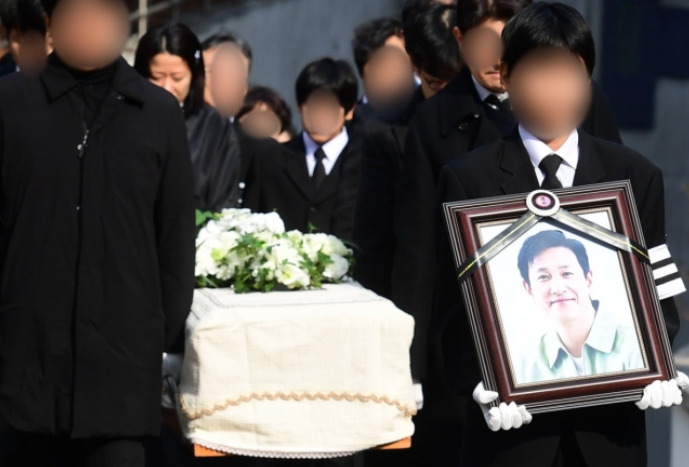
배우 이선균이 가족과 동료들에게 마지막 배웅을 받으며 영면에 들었다. 29일 정오 서울시 종로구 서울대학교병원 장례식장에서 이선균의 발인식이 엄수됐다. 이날 발인은 가족과 동료들이 참석해 마지막 인사를 전했다. 발인에서 중학생인 큰아들은 고인의 영정사진을 들고 장례식장을 나섰고, 아내 전혜진과 작은아들이 손을 잡고 눈물을 쏟으며 뒤를 따랐다. 유해를 운구하는 동안에도 유족들이 슬픔을 보여 안타까움을 자아냈다. 고인과 함께 작품을 하며 […]